





Every summer, the Jewish calendar asks us to slow down.
The Three Weeks begin on the 17th of Tammuz and lead into Tisha B’Av, the day we mourn the destruction of the Beis Hamikdash. The final stretch, known as the Nine Days, carries the deepest sense of mourning and reflection.
In 2026, Tisha B’Av begins Wednesday night, July 22, and continues through Thursday, July 23.
For many families, the challenge is not only knowing the customs, but knowing how to bring the mood of the season into the home in a meaningful way.
Here are a few simple ways to observe the Nine Days with intention, warmth, and respect.
What Are the Three Weeks and the Nine Days?
The Three Weeks mark the time between the breaching of the walls of Jerusalem and the destruction of the Beis Hamikdash. As the calendar moves into the month of Av, the mourning becomes more intense.
The Nine Days begin with Rosh Chodesh Av and continue through Tisha B’Av. During this time, many Jewish communities follow additional customs of mourning.
The guiding idea is to reduce outward joy and make room for reflection, longing, and hope for rebuilding.
Common Nine Days Customs
Customs vary by family and community, so it is always best to ask your rav for specific guidance.
In general, many people have the custom during the Nine Days to:
Avoid eating meat and drinking wine, except on Shabbos
Avoid music
Avoid laundry and wearing freshly laundered clothing, except in certain cases
Avoid bathing for pleasure
Postpone major purchases or joyful home projects
Keep celebrations and entertainment more limited
These customs are not meant to make the home feel dark. They are meant to create space for awareness.
When some of the usual pleasures are set aside, the home can become quieter, more thoughtful, and more connected to the meaning of the days.
Make Tzedakah Part of the Daily Rhythm
One meaningful way to bring the Nine Days into the home is by increasing tzedakah.
Place a tzedakah box somewhere visible and invite children to give each day. Even a small coin becomes a daily reminder that rebuilding begins with kindness, generosity, and caring for another person.
This is a simple custom, but it can shift the atmosphere of the home.
Learn Something Small Each Day
The Nine Days are a meaningful time to learn about the Beis Hamikdash, Tisha B’Av, ahavas Yisrael, or the idea of rebuilding.
It does not need to be long. A few minutes at the table, one short thought after dinner, or one family discussion can make the days feel more intentional.
The goal is not to add pressure. It is to add meaning.
Keep the Table Simpler
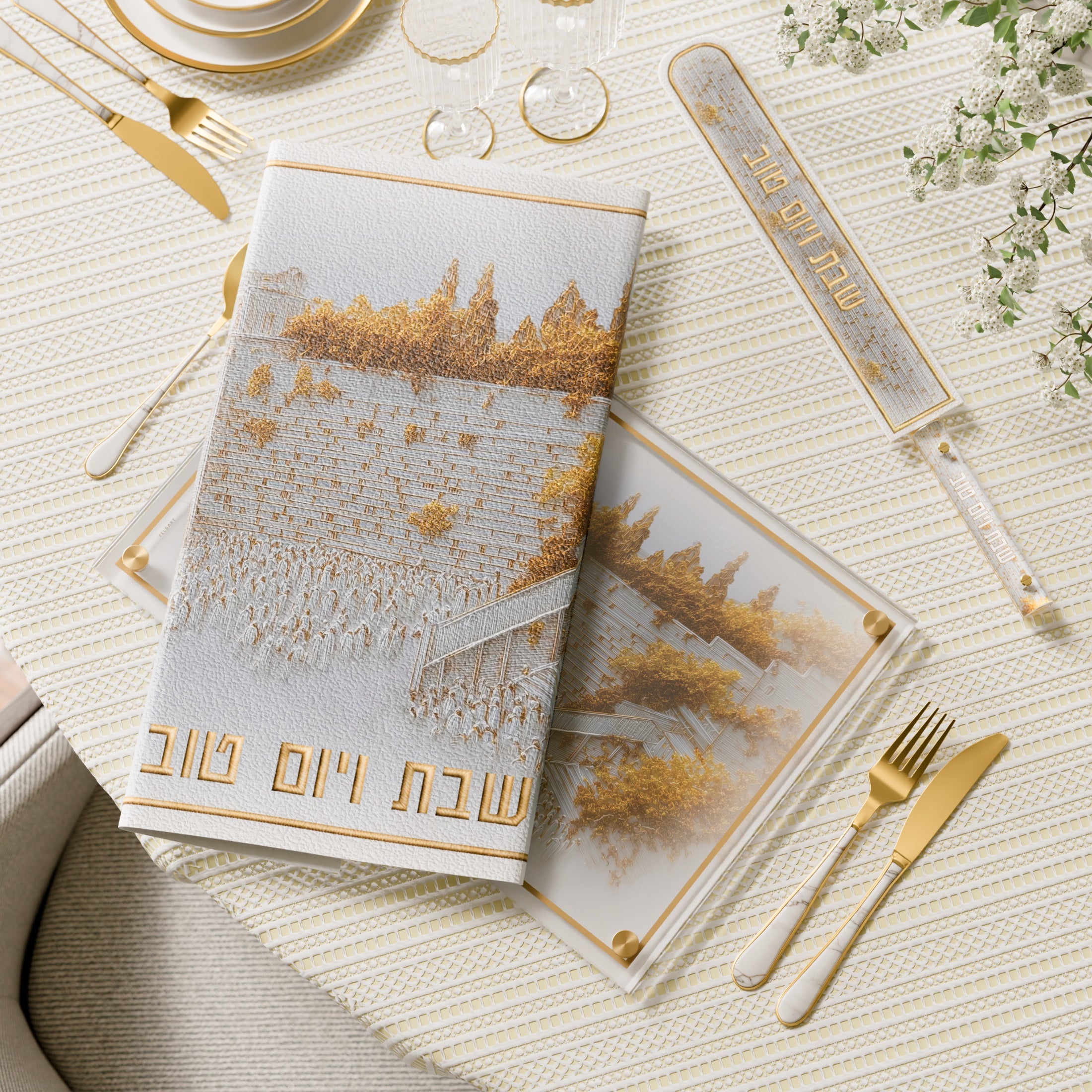
During the Nine Days, the table can reflect the mood of the season.
Instead of a full decorative setting, choose something simpler. Use softer colors, fewer extras, and a calmer look. Let the table feel peaceful rather than festive.
This does not mean the home should feel neglected. It means the beauty becomes quieter.
A simple table, a visible tzedakah box, and a few minutes of learning can say more than a fully styled setting.
Add Tehillim or Reflection
Many families add a perek of Tehillim, a short thought, or a quiet moment of reflection during the Nine Days.
This can be especially meaningful with children. It gives them a way to understand that these days are different, without making the experience feel heavy or frightening.
Small, steady practices often stay with children more than long explanations.
Let Shabbos Stand Apart
Shabbos during the Nine Days has its own beauty. While the week carries a more restrained tone, Shabbos remains Shabbos.
The table can be set beautifully, meat and wine are permitted according to common custom, and the home can feel uplifted again.
That contrast is powerful. The weekdays teach us to hold back. Shabbos reminds us what we are longing to return to.
Moving from Mourning to Comfort
After Tisha B’Av, the calendar begins to shift. The mood turns slowly toward comfort, hope, Elul, and the coming new year.
The Nine Days are not only about sadness. They are about remembering what was lost and believing in what can still be rebuilt.
May this year be the year these days are transformed into days of joy.
FAQ
When is Tisha B’Av 2026?
Tisha B’Av 2026 begins at sundown on Wednesday, July 22, and continues through nightfall on Thursday, July 23.
What are the Nine Days?
The Nine Days are the period from Rosh Chodesh Av through Tisha B’Av. They are the most intense part of the Three Weeks, when many communities observe additional customs of mourning.
How can I make the Nine Days meaningful at home?
You can increase tzedakah, learn about the Beis Hamikdash, keep the table simpler, add Tehillim, and create small moments of reflection as a family.
