

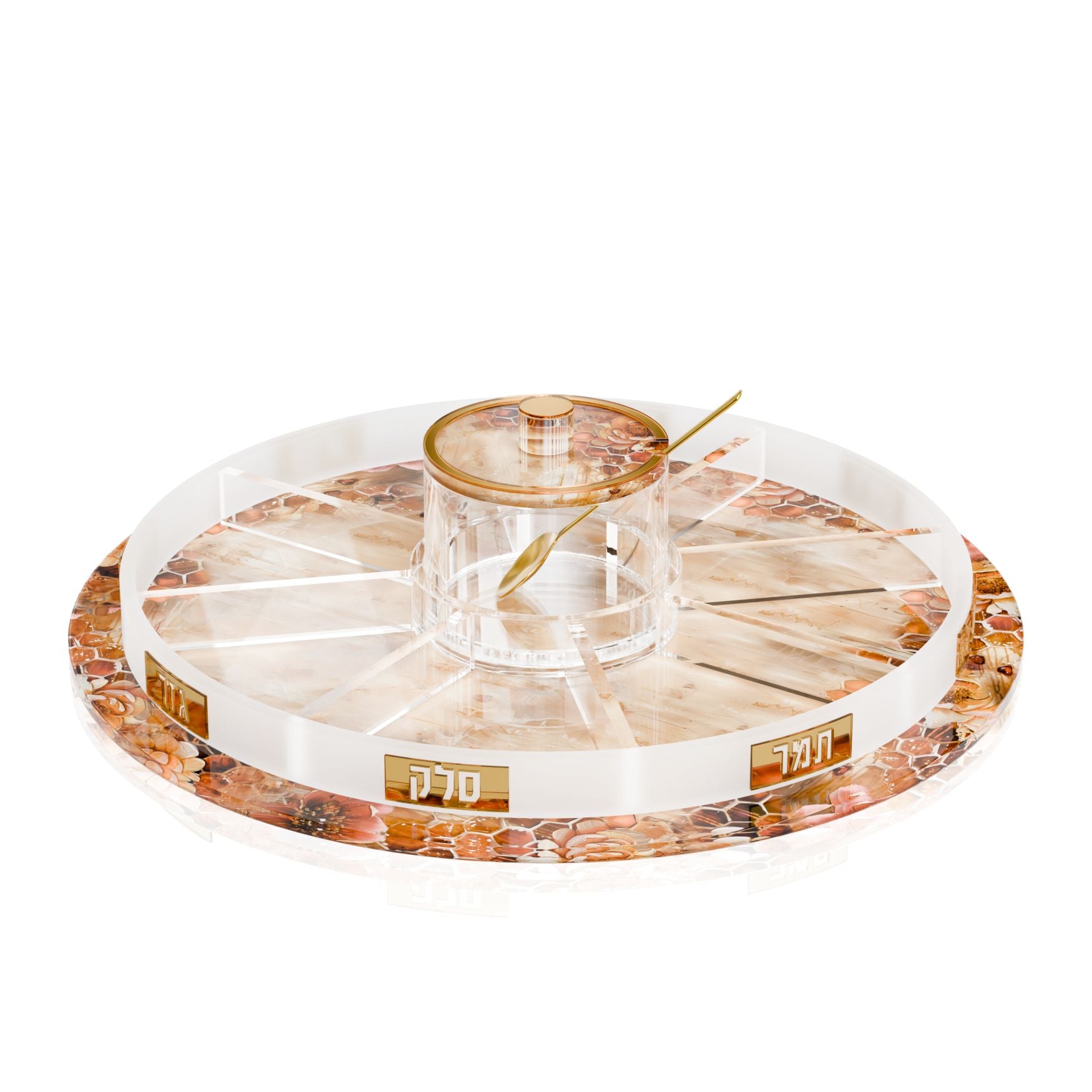
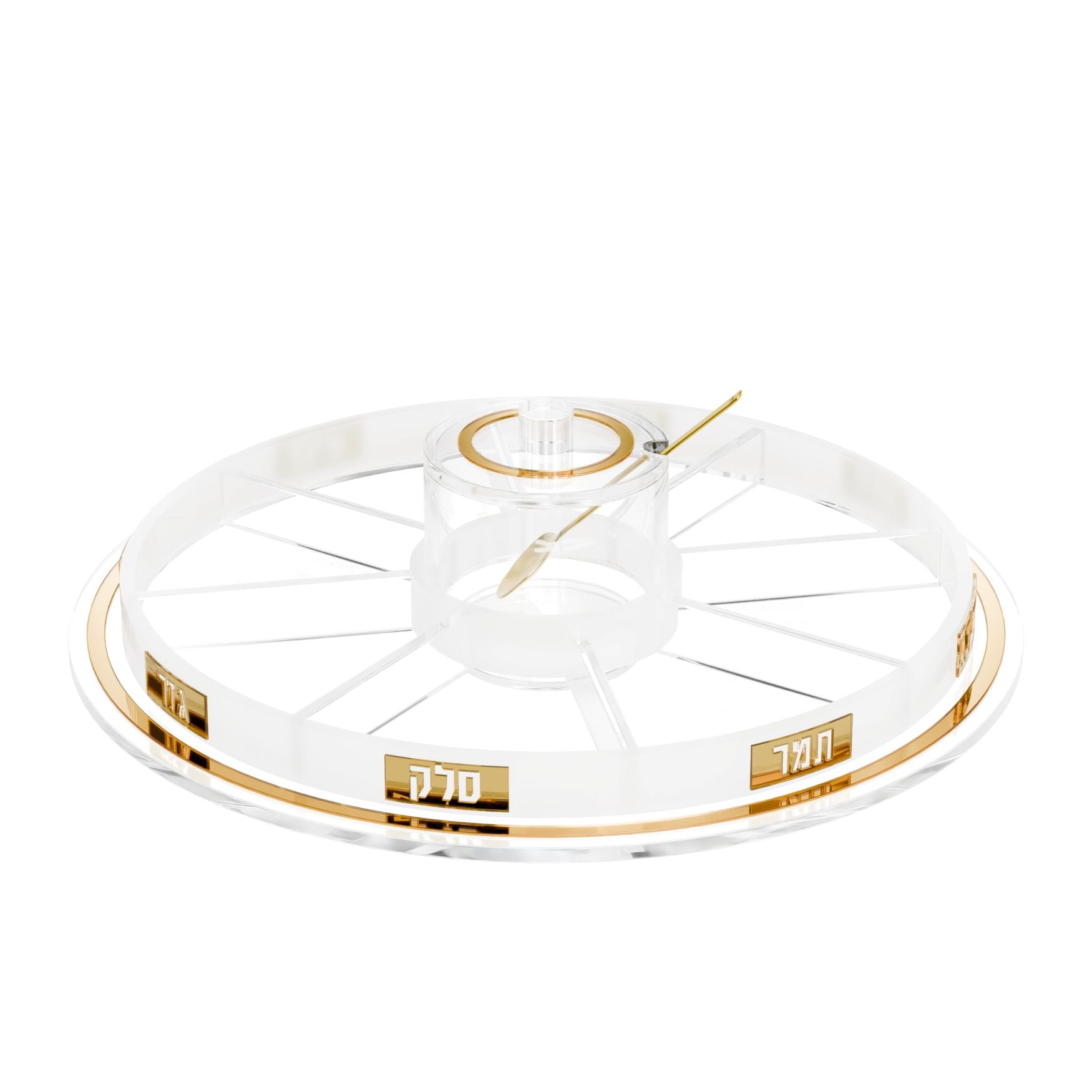
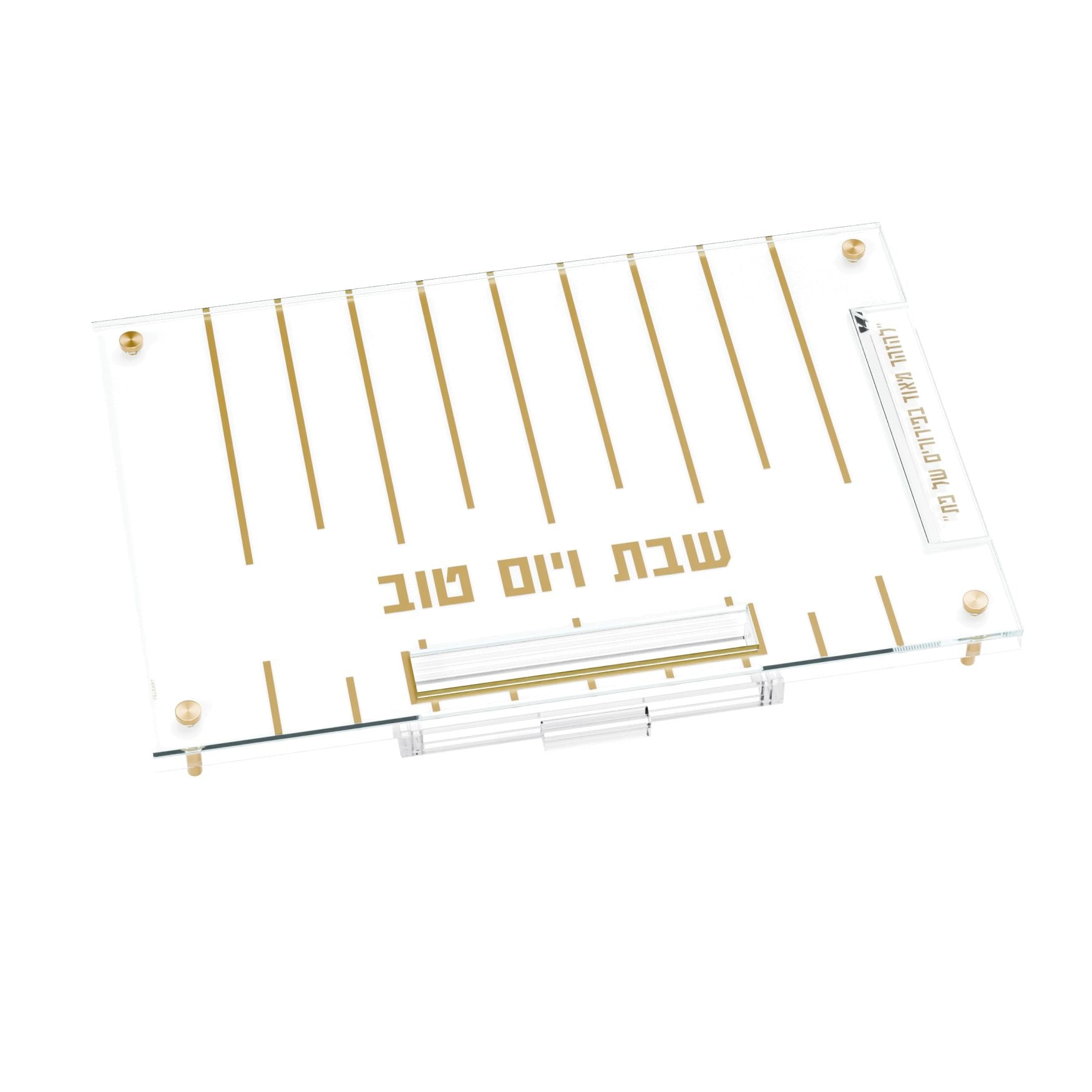
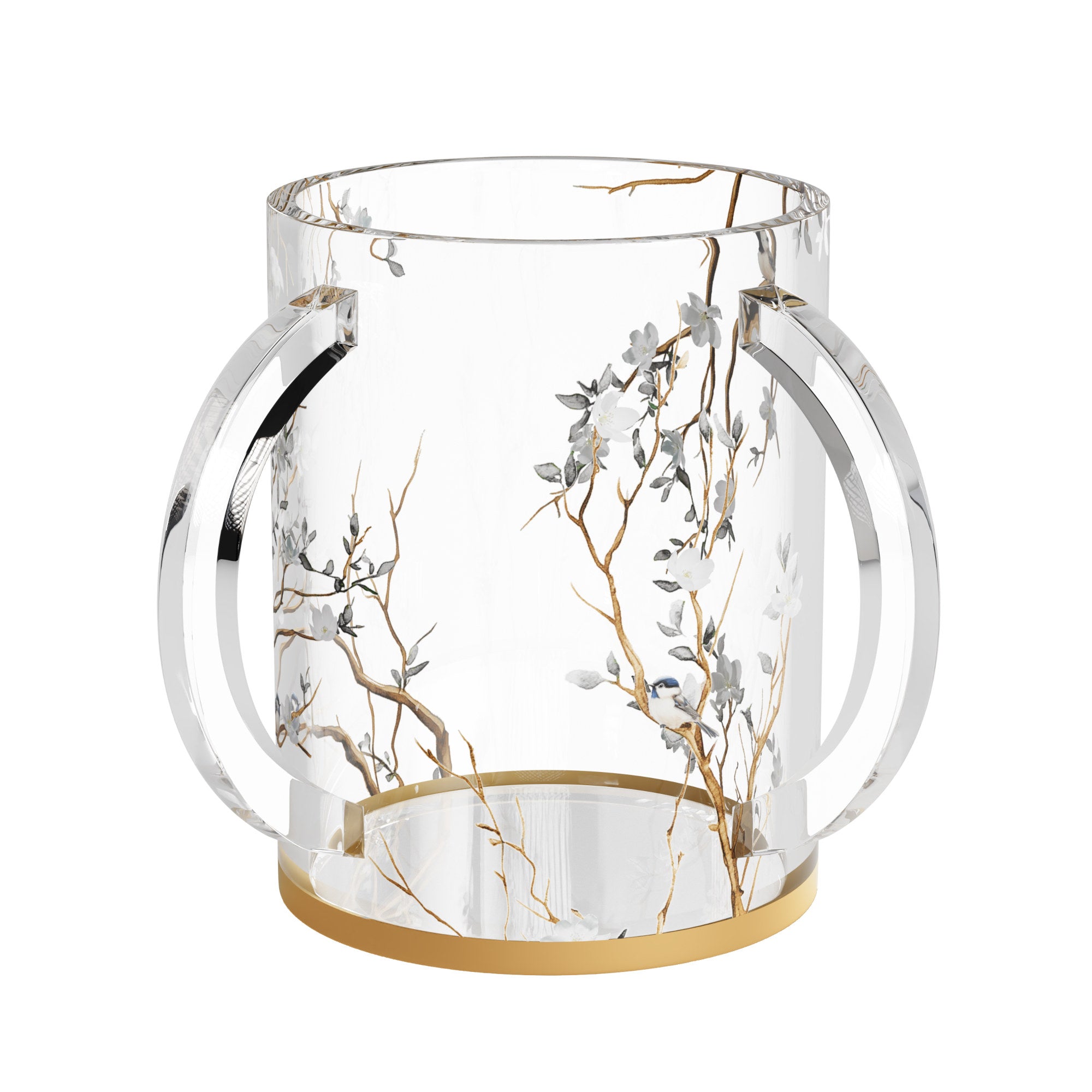

A good Chanukah party table makes it easy for guests to help themselves while leaving room to gather. Plan the food and serving flow first, then add the colours and Judaica you enjoy. That approach works whether you are hosting a sit-down meal or setting out latkes and doughnuts for a casual evening.
Feldart's serving dishes and cutlery holders can help organize the table. Here are practical ways to build a seasonal arrangement around the food, the guest count and the pieces you already own.
Separate lighting from the serving area
Plan the menorah location separately from the food table. Guests reaching for plates or passing serving dishes should not need to reach across a lit menorah. Keep the lighting arrangement suitable for its intended use and clear of party decorations.
For the dining table, create a decorative focal point with coordinated serving pieces, napkins or a modest arrangement away from live flames. You can connect the two areas through colour without making the menorah part of a crowded buffet.
If you need seasonal Judaica for the lighting area, browse Feldart's Chanukah collection. Choose those pieces according to the space and instructions, then plan the meal around a separate surface.
Build the table around the menu
Write down what you will serve and choose a place for each dish before adding decor. Latkes need room for a serving utensil. Doughnuts need a plate that is easy to refill. Drinks work better where a spill will not affect the rest of the food.
For a buffet, start with plates, then the main food and toppings. Put cutlery and napkins where guests can collect them without juggling everything at the beginning. If people approach from both sides, make sure the arrangement works in both directions.
Set out empty serving pieces as a trial layout. It is easier to adjust the spacing before the food arrives and before guests are standing around the table.
Organize a latke toppings station
Choose a small group of toppings that suit the meal and your household's kashrus practice. Put a separate spoon with each topping, and keep the dishes easy to identify. If you offer dairy toppings, plan the meal and utensils accordingly.
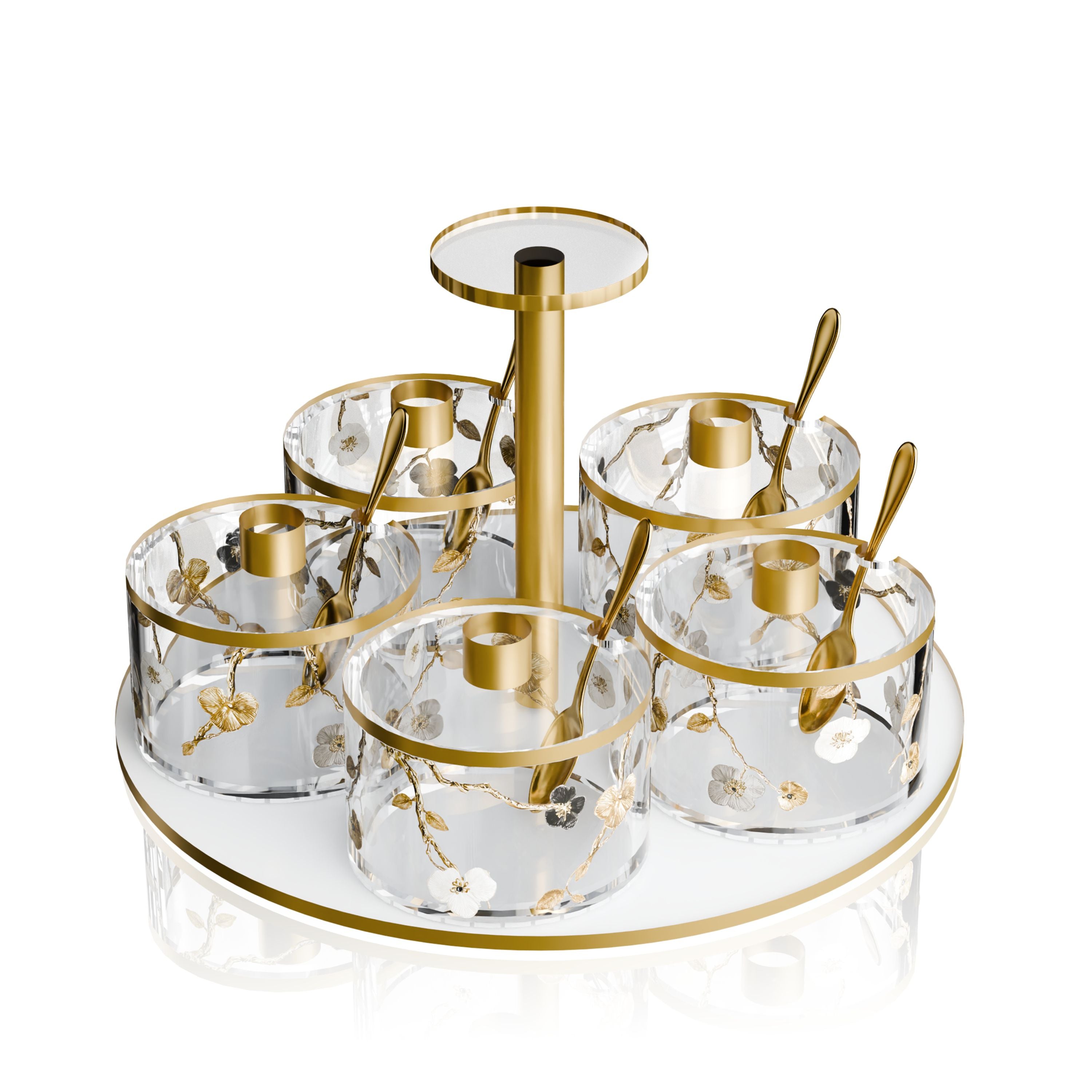
The Classic Swivel Dip Dish with five dishes has removable dishes and magnetic lids with spoon cutouts. It is an option to compare when you want several small servings together. A smaller selection may be easier to manage if only a few guests are joining.
Use the individual dishes for foods appropriate to their material and follow the care instructions. They are serving pieces, not cooking vessels. Let freshly cooked latkes go onto a suitable heat-tolerant platter rather than use lucite as a hot-pan rest.
Make cutlery easy to reach
A cutlery holder can keep utensils together on a buffet or sideboard, leaving room for food on the main table. Choose the size and arrangement around the number of people who will use it. Refill in manageable amounts instead of overpacking the compartments.
The Urban Deco Swivel Cutlery Holder has four compartments, a swivel base and a lower napkin holder. Its listed dimensions are 7 by 7 by 5.75 inches. Compare that footprint with the space left beside your plates or at the end of the buffet.
For a seated meal, you may prefer individual place settings and a separate holder for spare utensils. Use the holder where it solves a practical need rather than add another object to an already full table.
Choose a simple colour plan
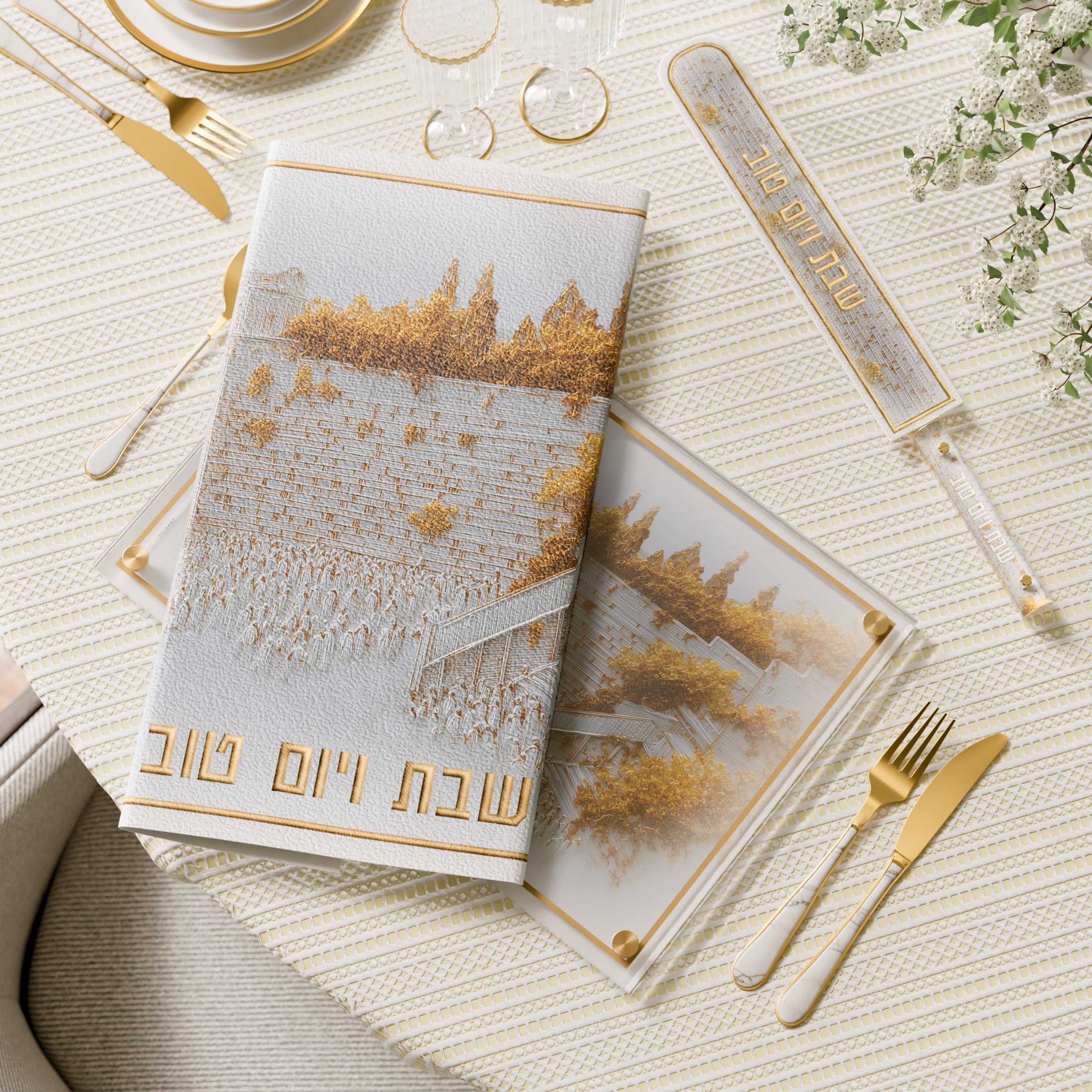
Start with the finish of your serving pieces. Gold accents can work with cream or deep blue napkins; silver can work with white or a quieter blue. You can use the dishes you own and repeat one accent rather than replace the entire setting.
Keep decorations low enough for guests to see one another. Leave room beside each plate and around serving handles. A table that looks complete before anyone sits down still needs to function once the food and people are in place.
For a casual party, a few coordinated serving pieces can carry the look. For a larger meal, repeat the same finish across the cutlery station and dessert area so the separate surfaces feel connected.
Prepare the dessert area and reset plan
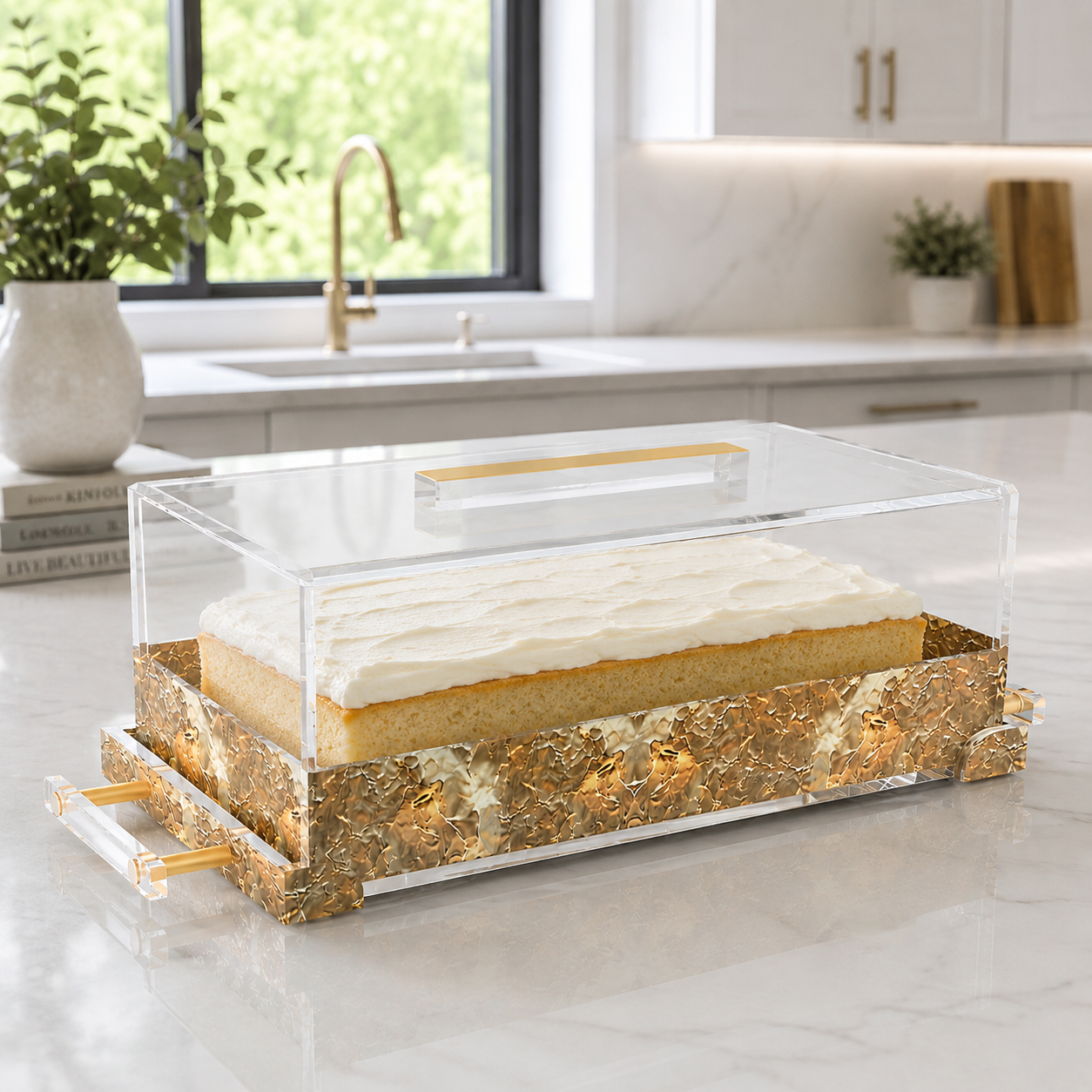
Give sufganiyot their own serving space with an appropriate platter, tongs and nearby napkins. Keep drinks within reach without crowding the desserts. If you use a covered cake holder, check that its interior dimensions accommodate the pastries comfortably.
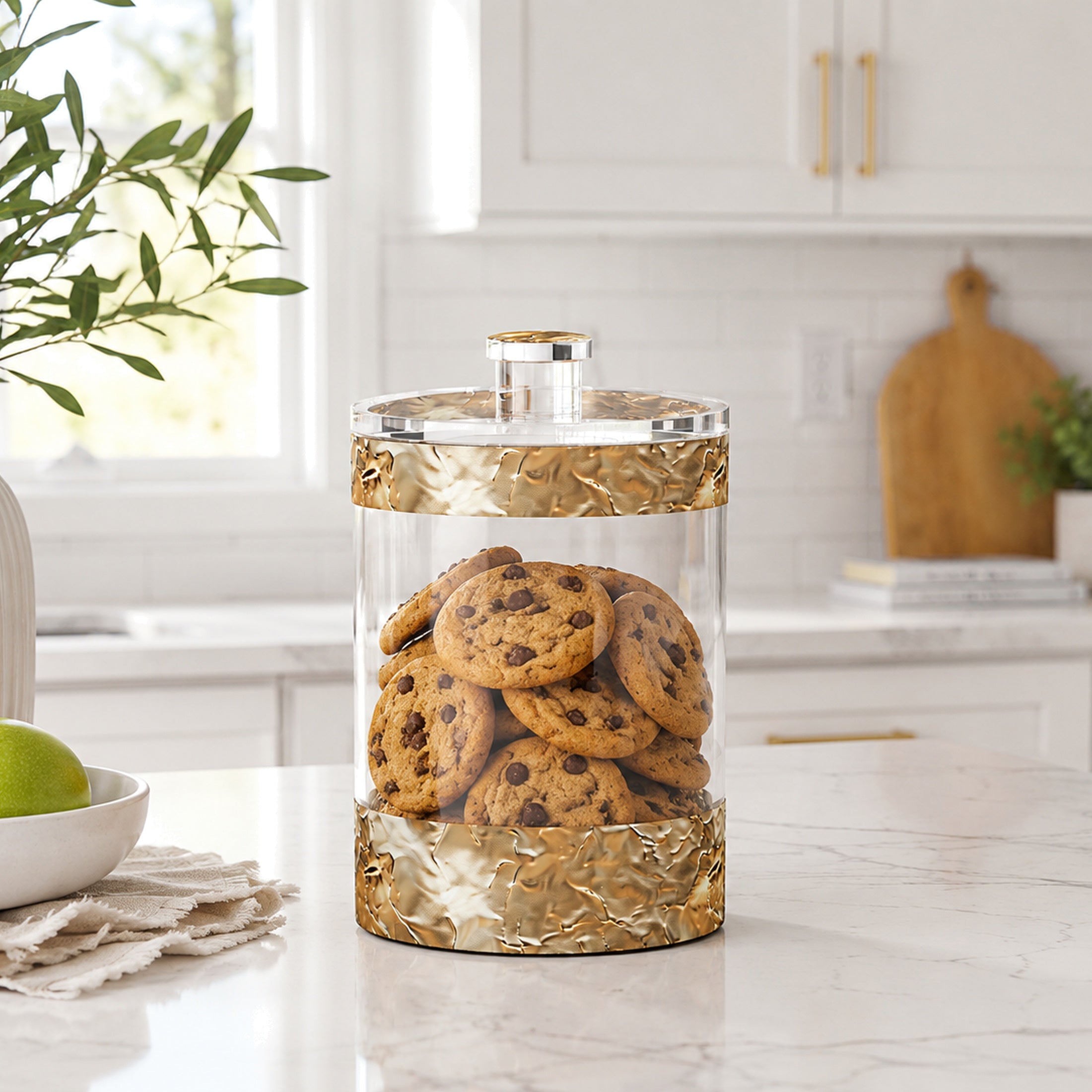
Browse cake domes and cookie jars for serving and storage options that suit your menu. Follow the specific product's instructions; a cover is not a substitute for appropriate food storage.
Before guests arrive, decide where refills and used dishes will go. A clear place to set things down makes it easier to maintain the table throughout the evening.
Set a table you can enjoy too
Choose the pieces that make serving easier, then leave the arrangement simple enough to maintain. A well-organized table gives you more time to join the gathering instead of constantly rearranging it.
Explore Feldart's tableware and serving dishes, cutlery holders and Chanukah Judaica to build the parts of the setup you still need.
Frequently asked questions
What belongs on a Chanukah party table
Plan around your menu: plates, suitable food platters, toppings dishes, serving utensils, cutlery and napkins. Add decor after confirming that guests have room to serve themselves.
Can a menorah be the centrepiece of a busy buffet
Plan a suitable lighting area separately so guests do not reach across live flames for food or utensils. Connect the lighting and dining areas through colour or coordinated designs.
How can I serve several latke toppings neatly
Use separate dishes and spoons for each topping. A removable dip-dish set can organize small servings together; choose the number of dishes around your menu and guest count.
