
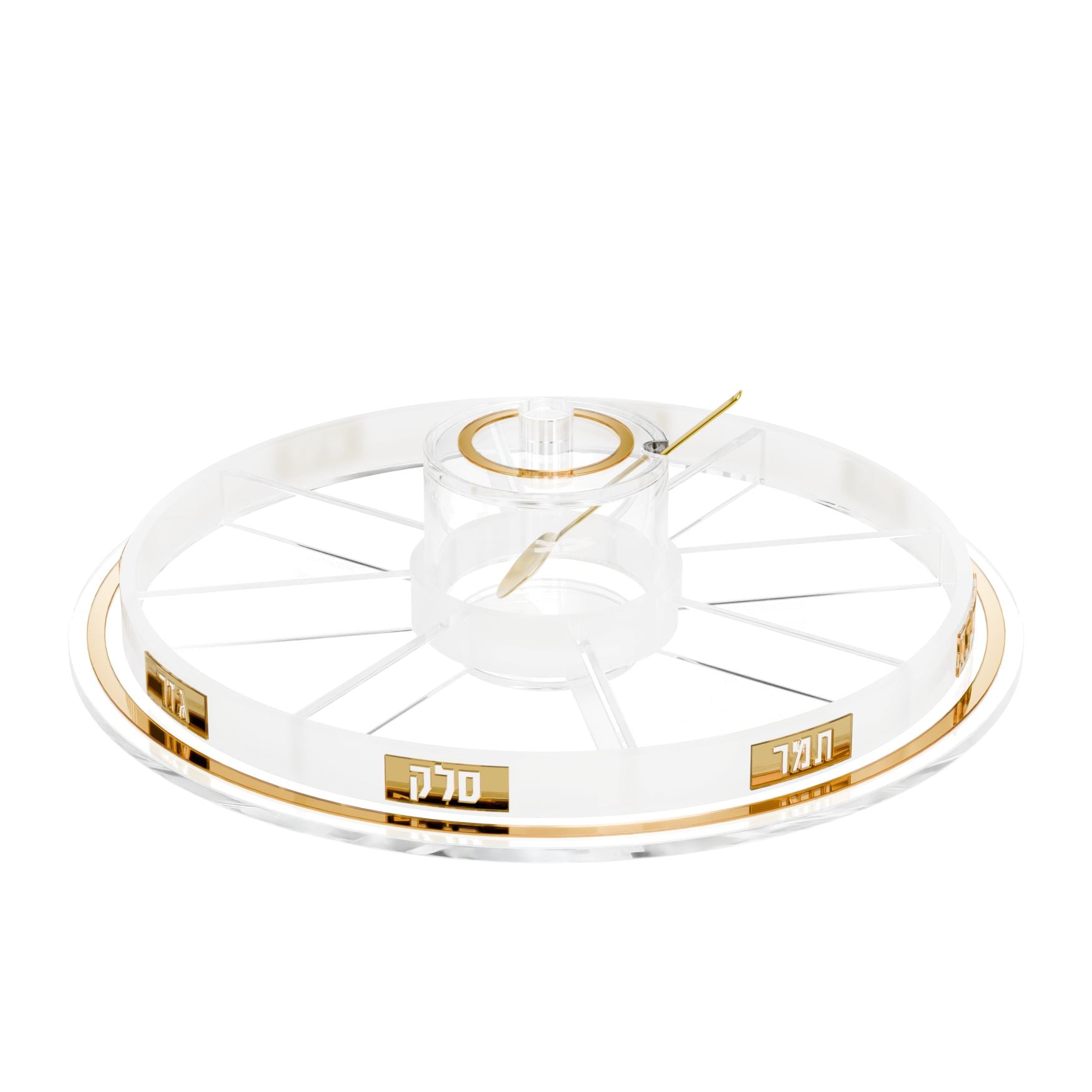
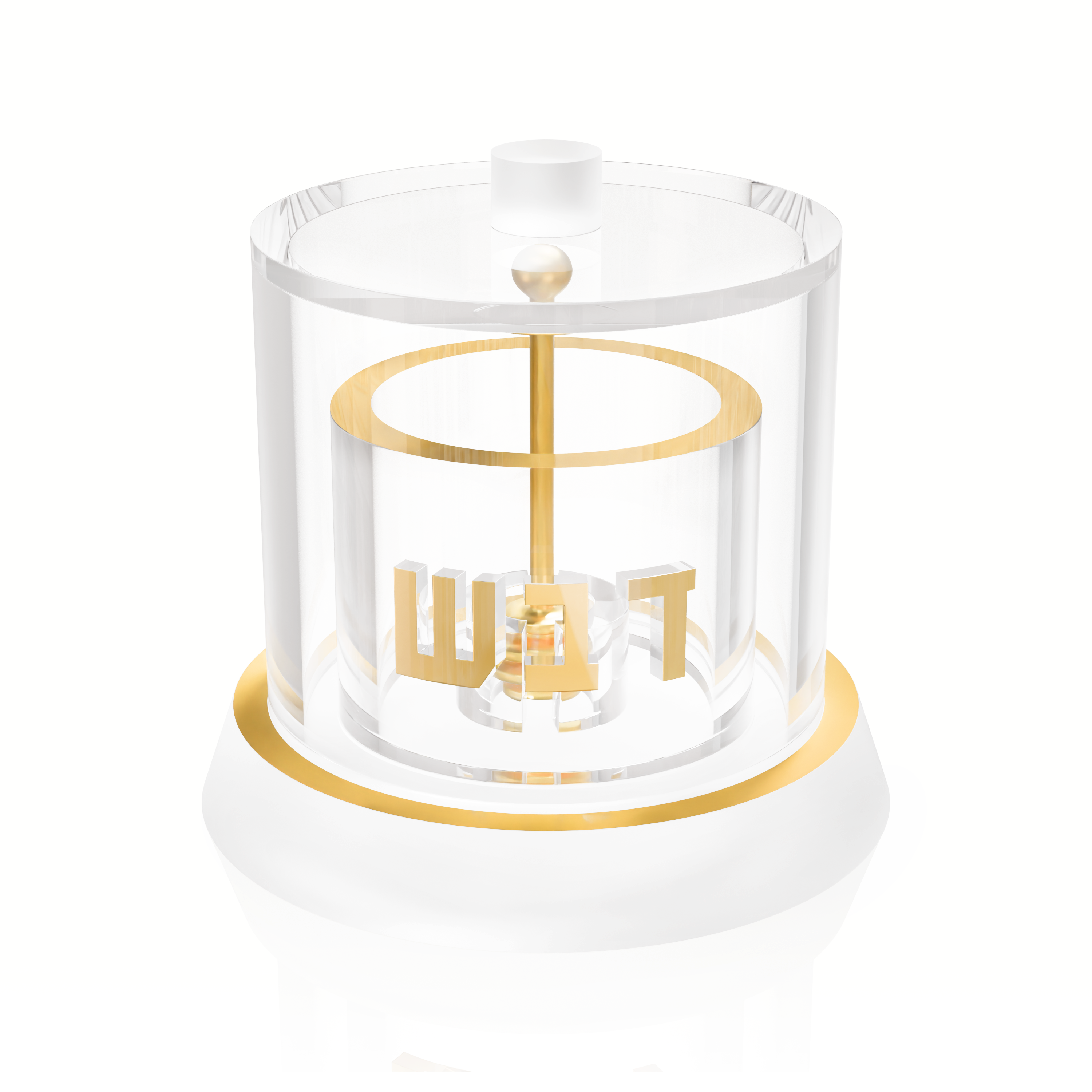
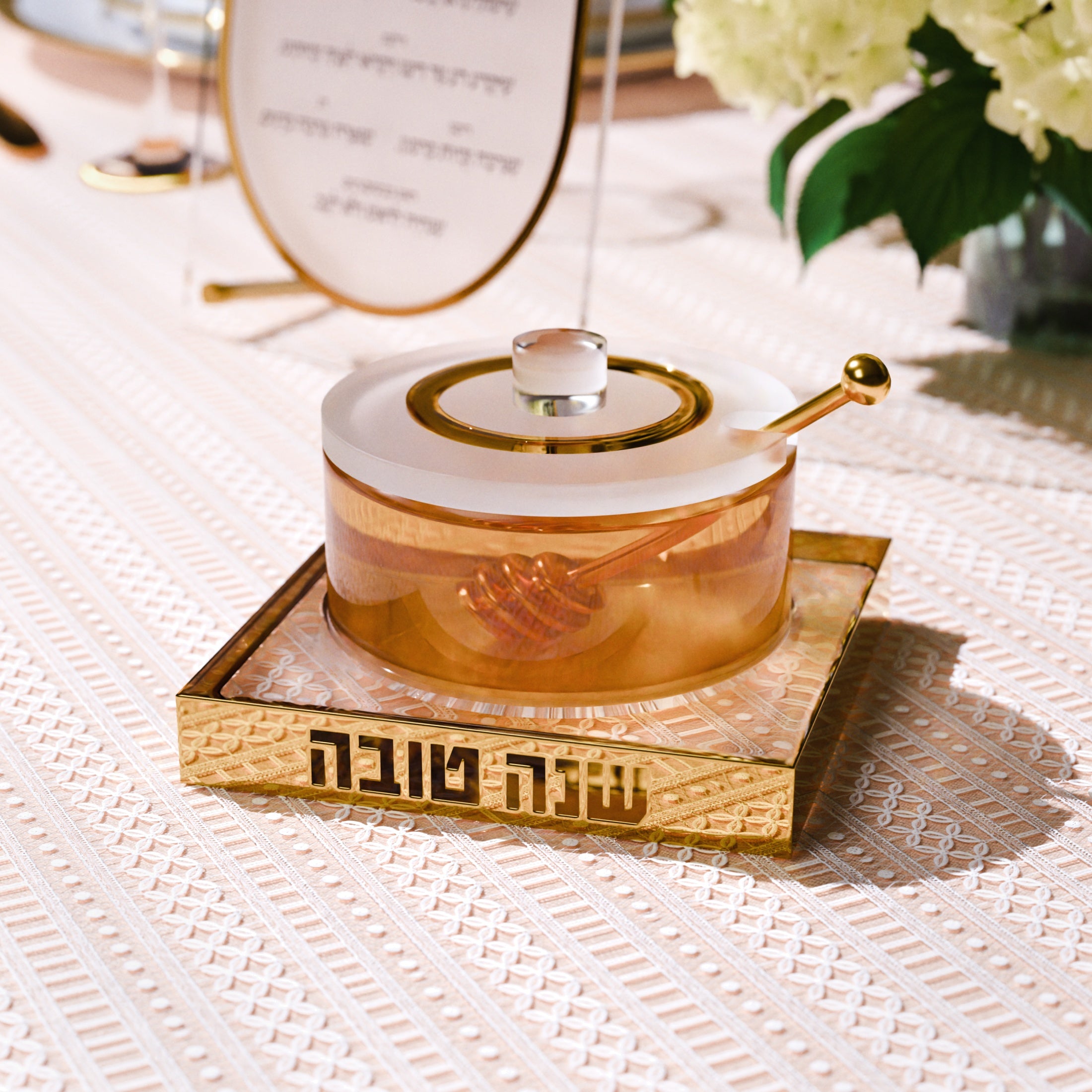

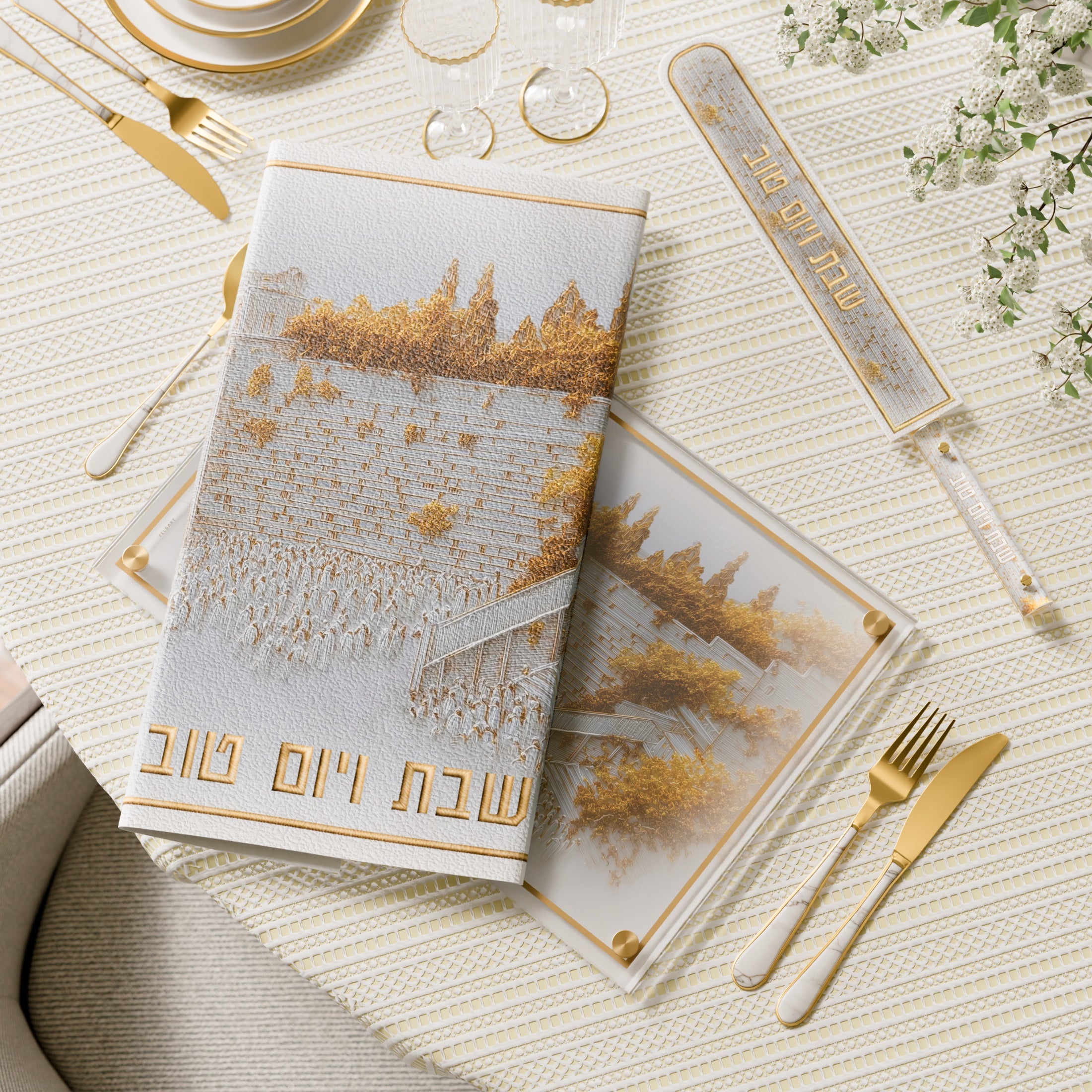


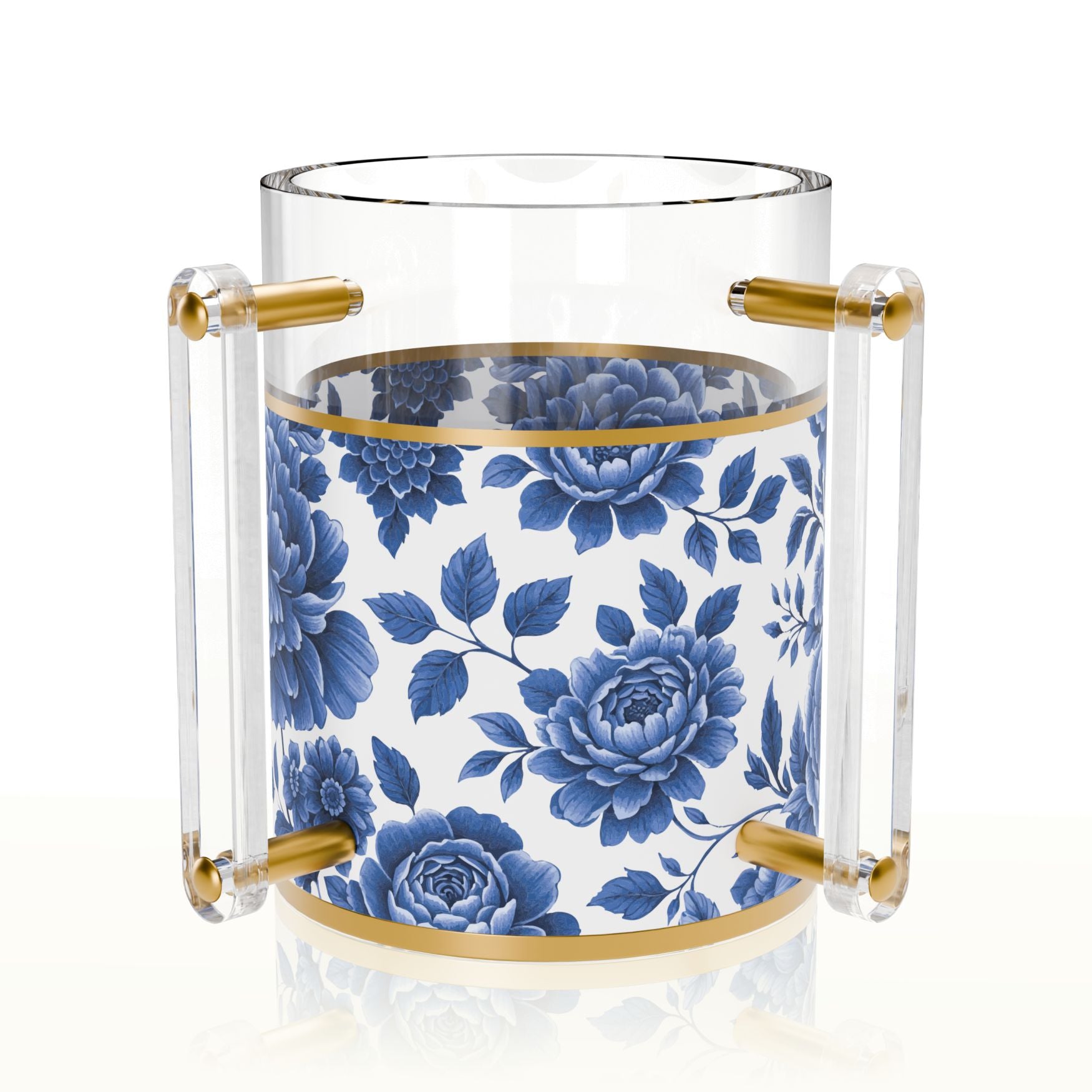
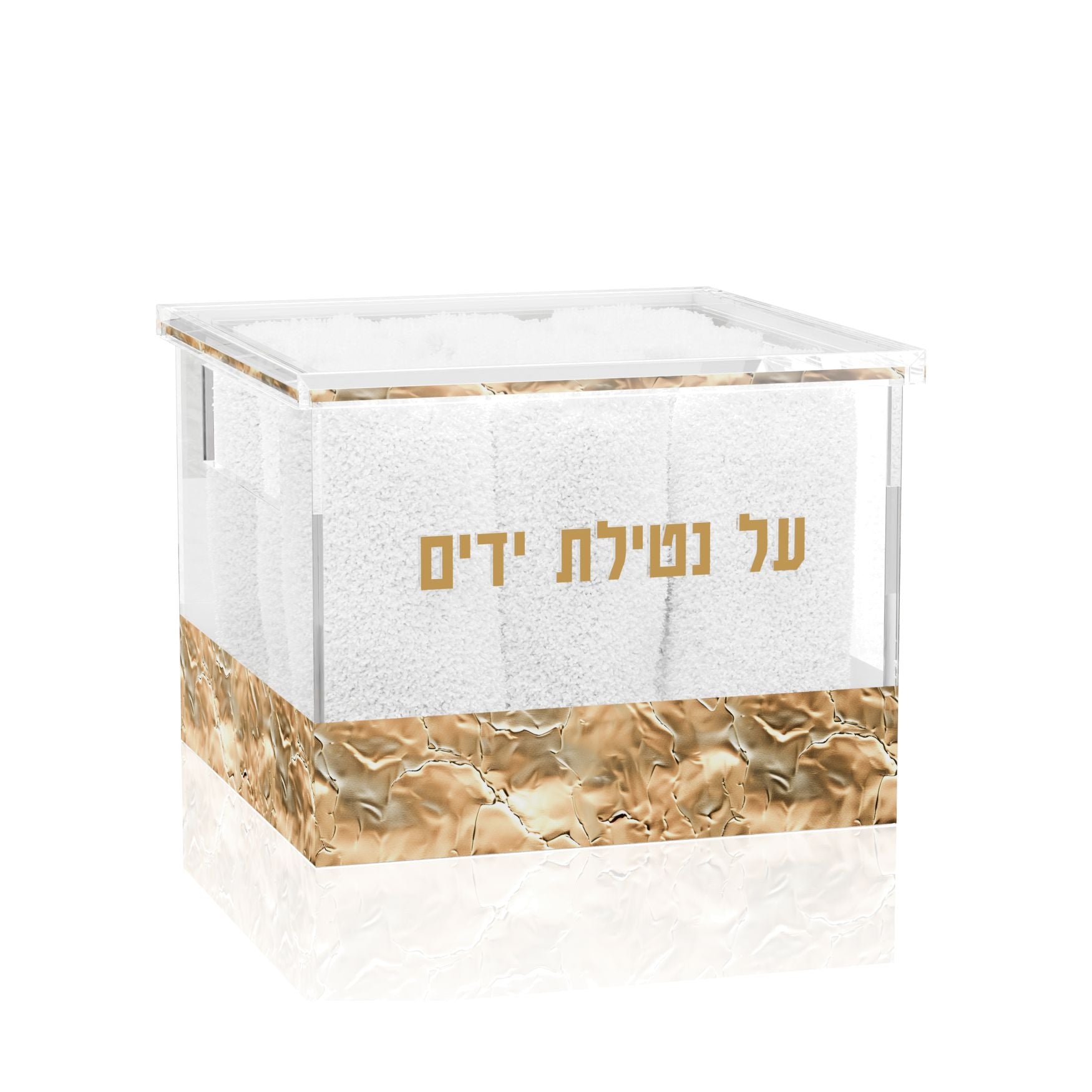


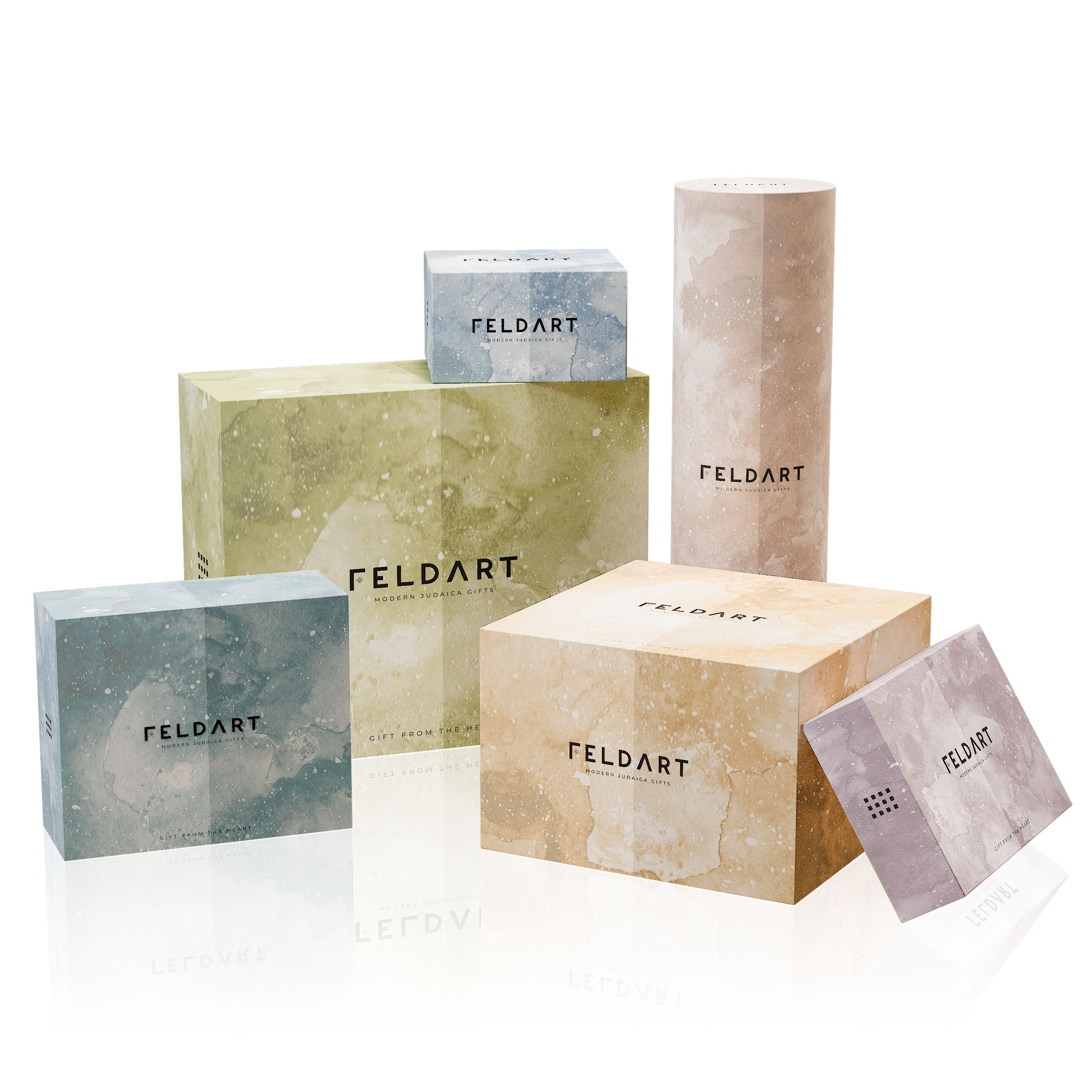

The right esrog box fits your esrog with room for padding on every side, closes securely for the walk to shul, and looks good enough to sit on the table all week. Size first, material second, style third. A beautiful box that squeezes the esrog is worse than a plain one that does not.
An esrog box is doing one real job: keeping an esrog unblemished for nine days while it travels to shul and back every morning. A bruised esrog or a broken pitum is a problem you cannot fix on chol hamoed, which is why the box is worth more thought than most people give it. This guide covers sizing, the material tradeoffs, and what actually matters when you are choosing. You can browse the esrog boxes collection or the full Sukkos collection whenever you are ready.
Esrog Box or Etrog Box? Same Thing
If you have been searching both spellings and getting different results, that is why. Esrog is the Ashkenazi pronunciation and etrog is the Sephardi and modern Hebrew one. They refer to the same fruit and the same product, and you will see both spellings across Judaica stores, sometimes on the same page. Search for whichever you say at home. The box is identical.
Start With Size, Because Esrogim Are Not Standard
This is the step people skip and then regret. Esrogim vary enormously in size, and a Yanover esrog can be more than double the volume of a small Israeli one. A box built for an average esrog will not close over a large one, and a box that just barely closes is squeezing the fruit against its own lid every time you carry it.
- Buy the esrog first if you can. Then you are matching a box to a known size rather than guessing.
- Leave room for padding on all six sides. The esrog should sit in the padding, not press against the walls.
- Protect the pitum above all. Whatever cushioning you use, the top of the esrog needs clearance. Most damage happens to the pitum, not the body.
- Bigger is safer than tighter. Extra space can be filled with flax, wool, or the padding that came with the box. A box that is too small cannot be fixed.
Compare the Materials
Every material trades off protection, weight, price, and how much upkeep it wants. Here is the honest picture.
|
Material |
Protection |
Upkeep |
What to know |
|---|---|---|---|
|
Sterling or silver plate |
Good if lined, hard shell |
High. Needs regular polishing |
The traditional heirloom choice, and the most expensive. Unlined silver can be hard on the fruit |
|
Leatherite |
Excellent. Padded, firm, closes flush |
Low. Wipes clean |
Structured and light, in gold or silver tones. The practical everyday choice |
|
Lucite and acrylic |
Very good with proper padding |
Low. No polishing, no tarnish |
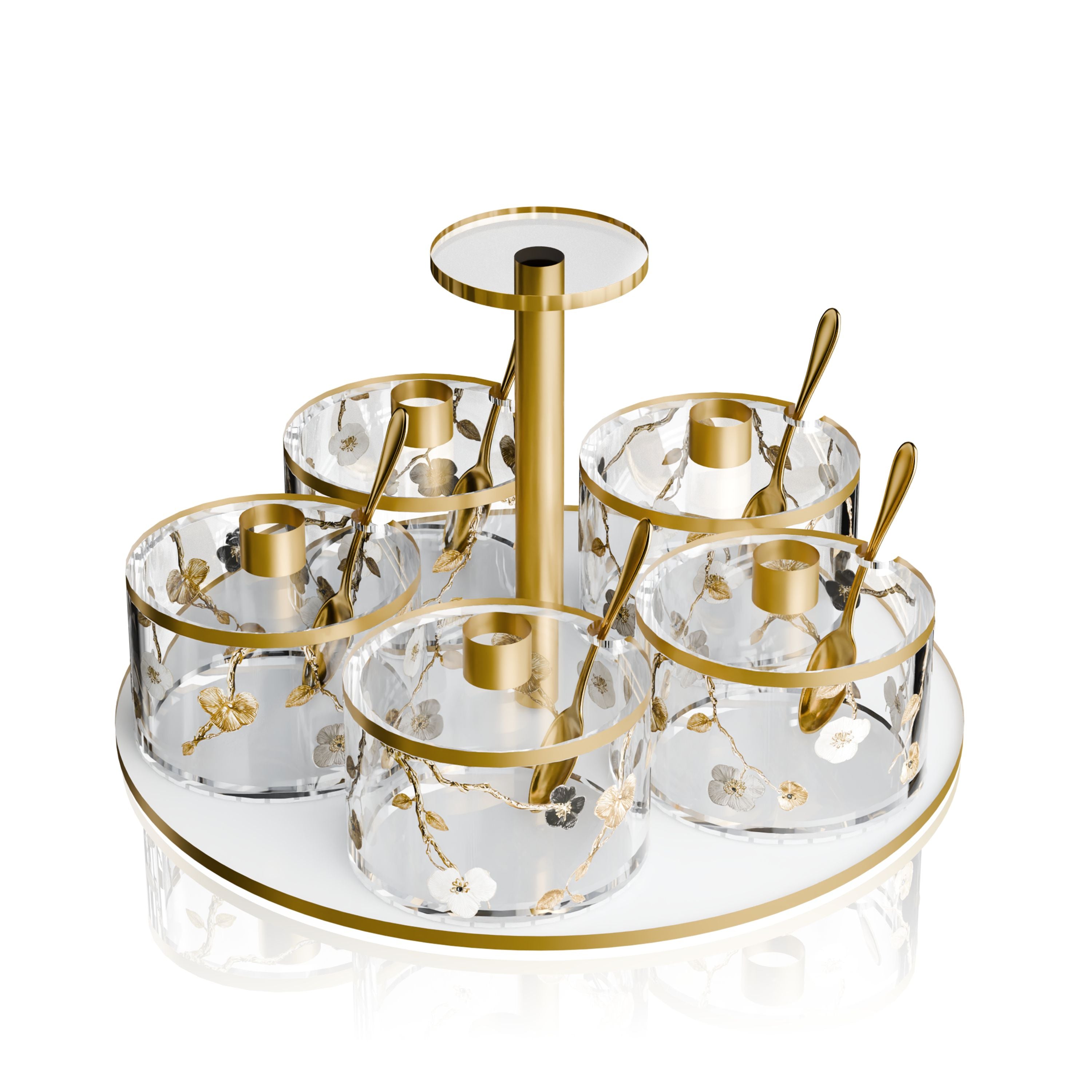
Modern look, coordinates with the rest of a lucite Sukkos table |
|
Wood |
Good. Rigid and traditional |
Moderate. Can dry or crack over years |
Often hand-decorated. Heavier to carry |
|
Faux leather or fabric zip case |
Fair. Soft sided, less crush protection |
Low |
The budget option. Fine for a short walk, less so for a crowded shul |
If you have been searching specifically for a silver etrog box, it is worth knowing what you are signing up for. Silver looks magnificent and holds its value, and it also needs polishing before every Yom Tov and tarnishes in a damp sukkah. Feldart's leatherite esrog box (about $65, in gold or silver tones) gives you the same finished look with none of the polishing, which is the same argument we make in our lucite vs silver Judaica comparison.
Not sure which box fits your esrog?Tell us the size of your esrog and we will point you to the right box. Browse the esrog boxes collection or message us on WhatsApp at 718-569-7045. |
Do You Need a Lulav Bag Too?
They are separate items and they solve separate problems. The esrog box protects a fragile fruit from impact. A lulav bag or holder keeps the lulav, hadassim, and aravos together and stops the leaves from splitting on the way to shul. If you are buying for someone as a gift, an esrog box on its own is the more meaningful piece, because it is the one that sits on the table.
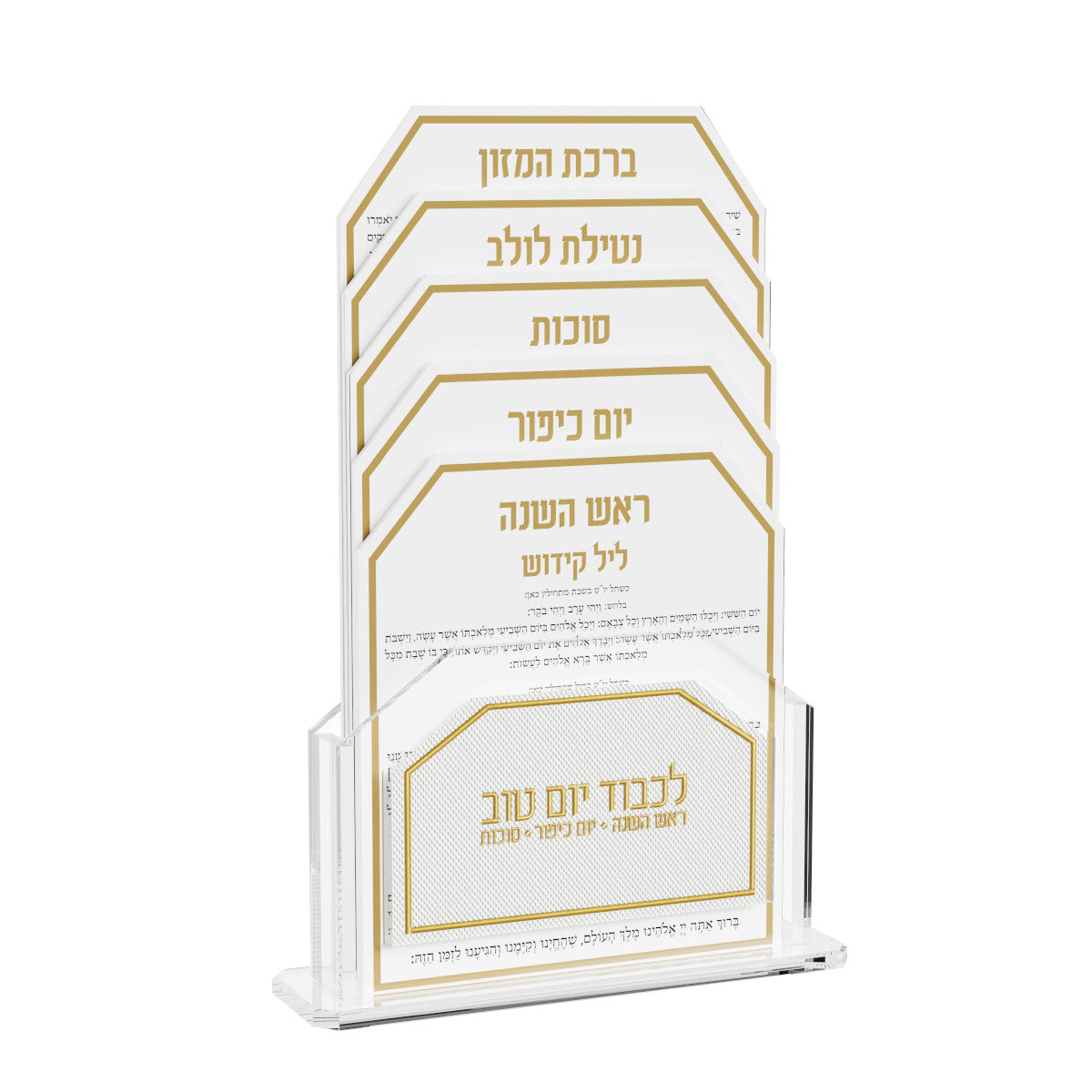
A Netilas Lulav brochos card on the table completes the set: the box protects the esrog, the card makes sure the bracha is right in front of you every morning of chol hamoed.
Buying an Esrog Box as a Gift
An esrog box is one of the best Sukkos gifts there is, for a specific reason: it is used every single day of Yom Tov, it is visible, and almost nobody buys themselves a nice one. It works particularly well for a chosson before his first Sukkos, a bar mitzvah boy, a son-in-law, or a rebbi.
- Go one size up when you do not know their esrog. Padding fills extra space; a small box is a wasted gift.
- Neutral finishes travel better. Gold and silver tones and white pearl suit almost any table, where a strong color may not.
- Pair it with a Sukkos card for a complete gift rather than a single item. See Sukkos gift ideas for 5787 for full pairings.
- For a whole staff or shul, email info@feldart.com for bulk pricing and multiple shipping addresses.
Care and Storage
Take the padding out after Yom Tov and let both the box and the lining air dry before storing. Any moisture left inside a closed box for eleven months is how linings stain and boxes develop a smell. Wipe leatherite and lucite with a damp cloth, dry it fully, and store the box closed and empty somewhere it will not get crushed. Silver should be polished and wrapped in anti-tarnish cloth before it goes away.
When to Order for Sukkos 5787
Sukkos 5787 begins the evening of Friday, September 25, 2026. Esrog boxes are one of the last things people think of and one of the first things to sell out, because everyone remembers at the same time, right after Yom Kippur. Order by mid-September to be safe, and earlier if you are gifting to more than one address.
Frequently Asked Questions
What is an esrog box for?
It protects the esrog from bruising and pitum damage during Sukkos, especially on the walk to shul and back each day. It also gives the esrog a proper place on the table for the whole Yom Tov.
Is it spelled esrog box or etrog box?
Both are correct. Esrog is the Ashkenazi pronunciation and etrog is the Sephardi and modern Hebrew one. They refer to the same fruit and the same product.
What size esrog box do I need?
One that fits your esrog with padding on every side and clearance above the pitum. Esrogim vary widely in size, so buy the esrog first when you can, and size up rather than down.
Is a silver etrog box better than leather or lucite?
Not for protection. Silver is the traditional heirloom choice and looks beautiful, but it needs regular polishing and tarnishes in a damp sukkah. Padded leatherite and lucite boxes protect just as well with far less upkeep.
Is an esrog box a good gift?
Yes, and one of the best Sukkos gifts there is. It is used every day of Yom Tov, it stays on the table, and most people never buy a nice one for themselves.
Ready to protect your esrog properly?Shop esrog boxes and the full Sukkos collection at Feldart. Questions? Message us on WhatsApp at 718-569-7045 or contact us. |
